Breastfeeding Nutrition: What to Eat When Your Milk Supply Feels Low
If you’re breastfeeding and quietly worrying that your milk supply feels low, I want to start by saying this clearly, because so many moms need to hear it. This is incredibly common, and it does not mean your body is failing you. Most of the time, it means your body is under-fueled, under-supported, or trying to do too much while running on empty. There are some shifts in diet you can try when you breastmilk supply feels low before taking any other drastic measures.

What to Do When Your Milk Supply Feels Off
Many moms are told the same things when supply feels off. Nurse more. Pump more. Drink more water. Rest when you can. Those things can help, but they often miss the most important piece of the picture. Nutrition. Not in a restrictive or complicated way, but in a practical, nourishing, real-life way that actually supports milk production and how you feel in your body at the same time.
Why food matters more than most moms are told
Breastmilk production requires a lot from your body. Your body is always prioritizing your baby. Baby is #1, sorry mama, but to your body, you are still secondary.
When nutrients are low, meals are inconsistent, or energy is constantly depleted, your body still does its best, but supply can start to feel shaky. Energy crashes become normal. Hunger feels intense. Brain fog, irritability, and feeling disconnected from yourself can creep in.
This is not a discipline issue. It is a fuel issue. And you may feel like you are eating enough calories, you might even have baby weight still hanging on because of that. But it’s not so much a calorie issue as it is a nutrient issue and also a galactagogue issue.
When you eat in a way that supports breastfeeding, you are not just helping milk supply. You are supporting your nervous system, stabilizing blood sugar, helping hormones communicate properly, and rebuilding strength after pregnancy. All of that matters for supply too.
The foundation comes first: eating enough, consistently
Before we even talk about specific foods, this part matters most. Many moms simply are not eating enough nutrition (not necessarily calories), especially during the day. Skipped meals, rushed snacks, or waiting until you are starving all signal stress to the body.
Your body needs consistent signals that food is coming while breastfeeding, because during this time you can go from full to hangry in an hour sometimes. That means meals and snacks spread throughout the day, even when you are busy, even when your appetite feels off, even when nothing sounds great.
If your milk supply feels low, consistency matters more than perfection.
#1: Eat more protein! Protein is essential for milk support and energy
If you follow any fitness peepsyou are probably sick of hearing this protein protein protein. Cottage cheese in everything fad. Honestly, unless you are body building it’s a bit excessive. But you are building the body of a baby, so right now that actually does matter a lot.
Protein is one of the most overlooked parts of breastfeeding nutrition, yet it plays a huge role in milk production, recovery, and feeling strong again postpartum. It supports hormone signaling, blood sugar balance, tissue repair, and steady energy.
Aim to include protein every time you eat, including snacks. Literally, you can increase your milk supply just by increasing protein if you are lacking in that area. (If you’ve been trying to drop the excess baby weight OR are just too busy and tired to see straight this is really easy to do.)
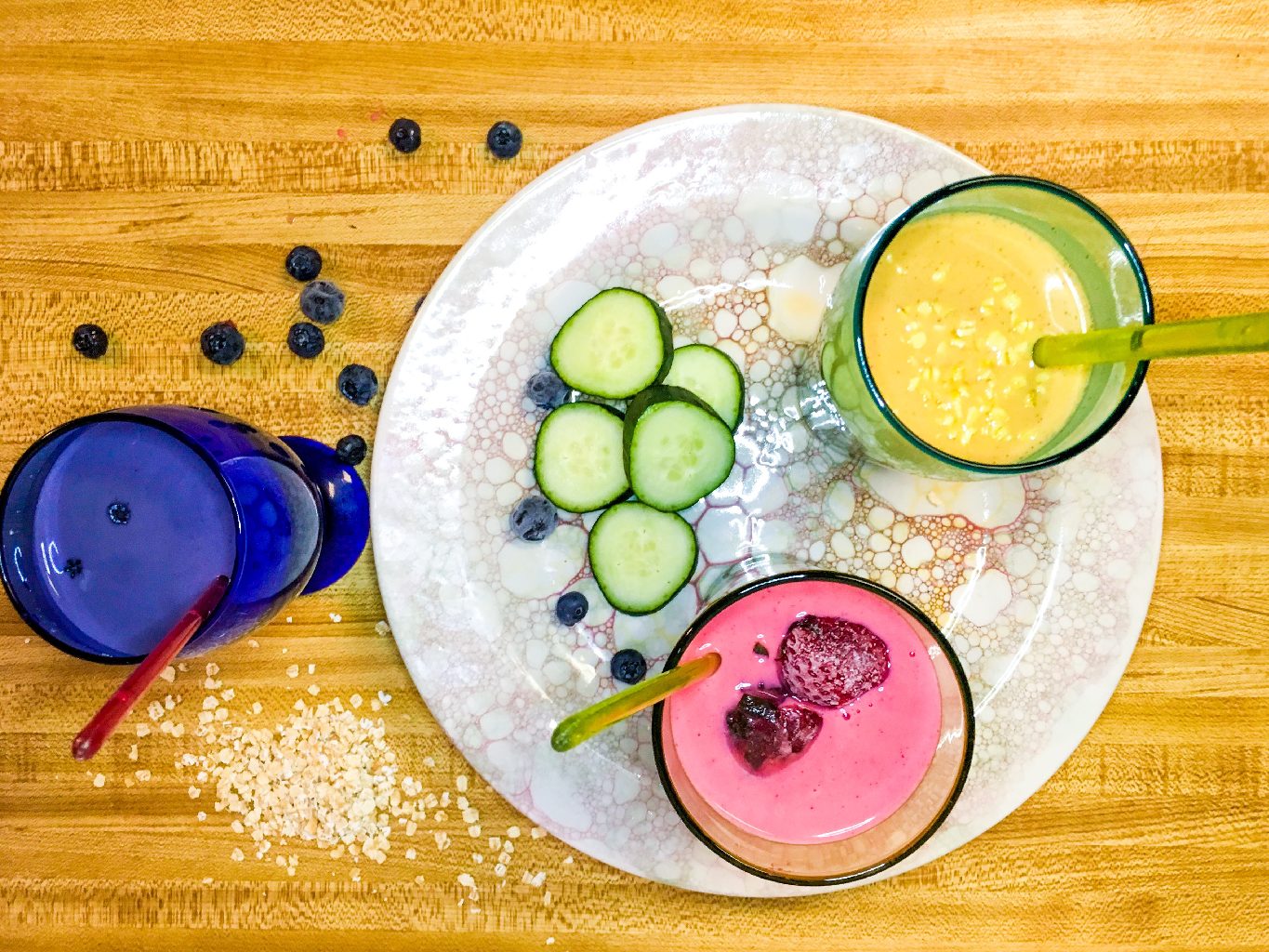
This can look like eggs, Greek yogurt, cottage cheese (gulp… ya, I said it), meat, fish, beans, lentils, protein smoothies (this is my star hack), or simply breastfeeding quality protein powders mixed up in water. Nothing fancy. Just a reliable protein that keeps your body out of survival mode.
When protein intake is low, cravings increase, energy dips, and milk supply often feels inconsistent.
# 2 Lactogenic foods Are Amazing
Did you know some foods naturally support milk production? Not because they are magic, but because they provide nutrients that help support lactation hormones.
Oats are well known for this and for good reason. They are grounding, mineral-rich, and easy to digest. Flaxseed, brewer’s yeast, fennel, leafy greens, chickpeas, and almonds can also support supply when eaten regularly. Here are even more lactogenic foods to try (and ideas of how to incorporate them.)
The real key here is consistency.
One lactation snack does very little if the rest of the day is under-fueled. But when these foods are part of your everyday meals and snacks, they help create a steady foundation your body can rely on.
And while KNOWING that lactogenic food is important… Googling recipes with all those recipes and learning how to apply that realistically without overwhelm is a lot.
You don’t need more tips. You need support that shows you how to put this together in real life laid out ready to click and go. That’s exactly what the Milky Mama’s Postpartum Plan walks you through, step by step.
# 3 Healthy fats support hormones and satisfaction
Healthy fats help your body absorb nutrients, support hormone health, and keep meals satisfying. They also contribute to the fatty acid profile of your breastmilk.
Repeat with me: healthy fats don’t make you fat. (I know, we all have to relearn everything we learned in the 90’s and 2000’s but I PROMISE it’s true! In moderation of course but you get a little more wiggle room here while breastfeeding, well a lot actually.)
Foods like:
- avocado
- olive oil
- butter
- nuts
- seeds
- eggs
- and fatty fish are all supportive.
Meals that include fat tend to keep you full longer, which helps prevent energy dips and constant hunger.
#4 Hydrate with intention
Hydration does matter, but it does not need to be stressful. This is not about forcing water nonstop. It is about steady intake and supporting mineral balance. (I.e… electrolytes)
Breastfeeding pulls both fluids and minerals from your body. Including mineral-rich foods, salting meals adequately (with sea salt or Hymaliyan salt), and occasionally using electrolytes can support hydration more effectively than water alone.
Listen to your thirst cues, keep a drink nearby, and let hydration be supportive rather than another thing to manage. More about hydration while breastfeeding.
What this looks like in real mom life
Supporting milk supply through food does not require perfect meals or complicated plans. It looks like eating enough, often enough, with protein at each meal, nourishing carbohydrates liike fruit and whole grains if your body likes them, healthy fats, and lactogenic foods included consistently.
It looks like stepping out of the cycle of under-eating, overthinking, and blaming yourself when your body asks for more support.
And it looks like remembering that your body is doing something incredible right now. It deserves nourishment, not restriction.
Exactly How to Put This Together
If you are reading this and thinking, “This finally makes sense, but I do not know how to put it all together,” you are not alone. Most moms do not need more information. They need guidance that fits real life.
That is exactly why I created the Milky Mama Method. It is a nourishment-first postpartum approach that helps you support milk supply, rebuild strength, and feel energized and comfortable in your body again, without extremes or guilt. It shows you how to eat in a way that supports both you and your baby, consistently and sustainably and helps you drop the excess baby weight, regain energy and strength, AND make more milk at the same time!
You do not need to choose between feeling good and breastfeeding. You do not need to put yourself on hold. With the right support, you can care for your body and your baby at the same time.